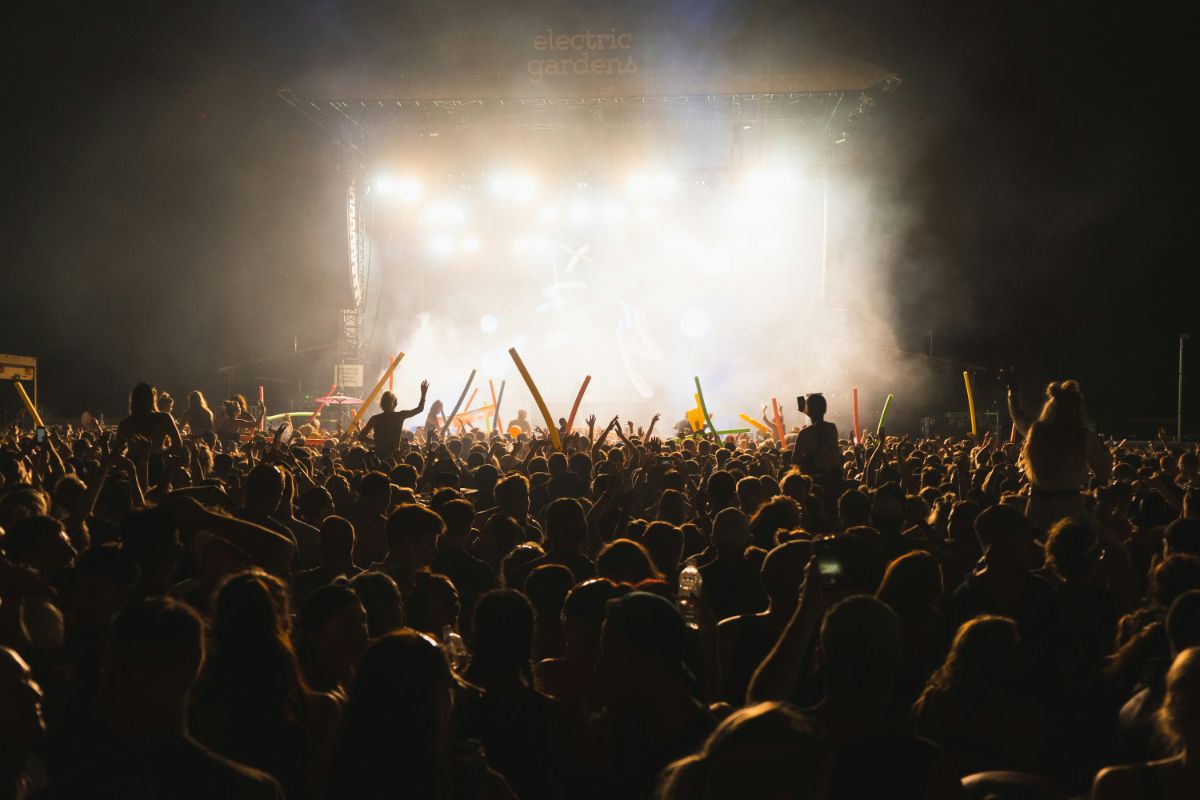
African music has never been more visible. Afrobeats, Amapiano, Afro-pop and alternative African sounds are now part of the global mainstream, shaping club nights, festival stages, fashion, dance culture and streaming charts far beyond the continent.
Artists such as Burna Boy, Wizkid, Tems, Rema, Asake and Tyla have helped move African pop from a “world music” corner into the centre of global entertainment. Their songs travel across TikTok, radio, playlists and stadiums. Their names sit comfortably on international festival lineups. Their fanbases stretch from Lagos to London, Nairobi to New York, Johannesburg to Toronto.
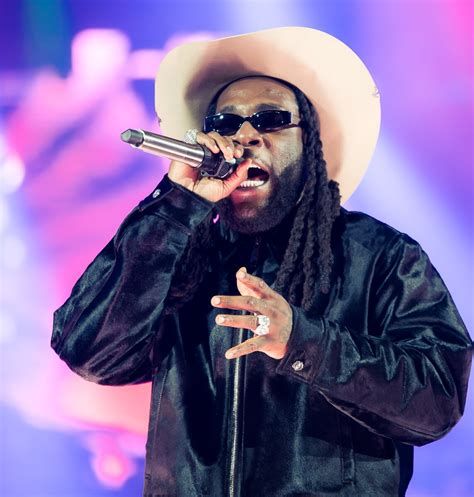
But there is a question that keeps getting louder: if African music is this global, why do Africa’s biggest stars still rarely tour Africa itself?
The answer is more complicated than popularity. The demand is there. The fans are there. The culture is definitely there. What remains difficult is the business and infrastructure of moving a major tour across multiple African cities in a way that makes financial and logistical sense.
A global tour will often include cities such as London, Paris, Amsterdam, New York, Toronto and Berlin. These cities have established arenas, reliable technical suppliers, experienced touring networks, strong ticketing systems, and sponsors that understand the live entertainment economy. In many cases, the same production model can move smoothly from one market to the next.
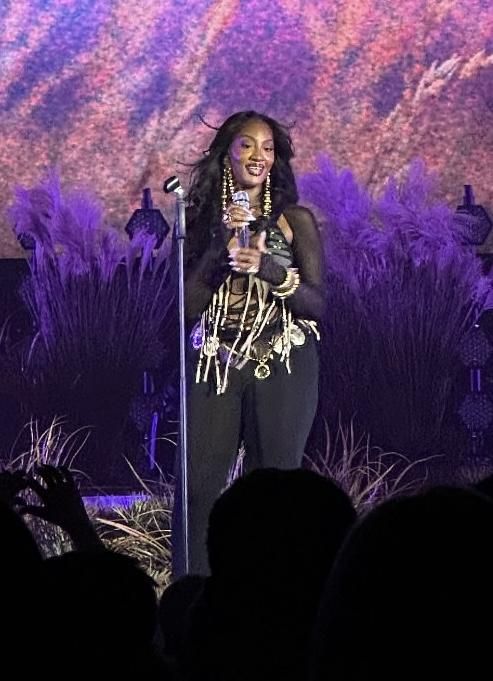
Across Africa, the picture is more fragmented.
A major artist cannot simply announce ten African dates and assume every city has the same venue quality, production capacity, security setup, equipment access, ticket pricing power and transport links. In some cities, organisers may have to build a concert environment almost from scratch, including temporary stages, lighting, sound, crowd control systems and backstage infrastructure.
That immediately changes the economics.
Big tours are expensive. A top-tier show may require a large crew, dancers, lighting engineers, sound teams, stage designers, security, transport, accommodation, insurance, marketing and equipment. When those costs are spread across established touring markets, they can be easier to recover. But when each African stop comes with unique logistical challenges, the cost per show can rise quickly.
Travel inside Africa can also be surprisingly difficult and expensive. Moving a large team from one African city to another is not always as simple as moving between European capitals. Flight routes may be limited, airfares can be high, cargo movement can be complicated, and visa or customs processes can slow down equipment and personnel.
That is why many African fans end up experiencing their own culture through phones, livestream clips and social media highlights instead of live concerts in their own cities.
For Kenyan fans, the issue is familiar. Nairobi has a strong music audience, a growing middle class, a young creative scene and a culture that shows up for major entertainment moments. But when the biggest African acts announce world tours, Nairobi is still not guaranteed a place on the map.
That gap matters.
Live music is not just about performance. It creates jobs for promoters, photographers, videographers, designers, dancers, stylists, security teams, sound engineers, lighting crews, food vendors, ticketing platforms, transport providers and venues. A thriving touring circuit would support the wider creative economy, not just the artists on stage.
It would also give African fans something they deserve: the chance to experience African music at its highest level, at home.
The good news is that the conversation is shifting. Across the continent, more people in the entertainment industry are now talking about venues, touring infrastructure, production training and regional circuits. Projects such as pan-African concert series and better-equipped arenas are showing what is possible when investment goes beyond one-off shows and starts building long-term systems.
The future of African music cannot only be measured by streams, awards and sold-out shows abroad. The next stage is ownership of the live experience at home.
For Jivinjari, this is where the story becomes exciting. Africa does not lack culture. It does not lack talent. It does not lack fans. What it needs is a stronger bridge between the music people love online and the unforgettable live moments they can experience in their own cities.
African music has already gone global. Now the real win would be bringing the full show back home.